
July 03, 2024
What is an INDEPENDENT School?
By Meredith Corrado, Communications Coordinator
The term “independent school” denotes a distinct educational philosophy and operational model that sets it apart from its public and private counterparts. While independent schools are funded and governed privately, there are other traits that define what it truly means to be an independent school.
Though all independent schools are private schools, not all private schools are independent schools.
One of the defining characteristics of independent schools is their autonomy in governance. Unlike public schools, which are typically overseen by governmental bodies, and many private schools, which may be affiliated with religious organizations or operate under specific educational doctrines, independent schools maintain their own governance structures. This autonomy allows them the flexibility to adapt their curriculum, teaching methodologies, and overall mission to best serve their students and community.
A public school is funded and run by a government entity or entities. Most public schools are governed by a publicly elected school board and a state department of education. They are funded with state and local tax dollars, with some additional funding and oversight from the federal government.
A private school is funded and run by a non-governmental entity. This means a private school can be run by a church or diocese, a non-profit company, or even a for-profit company. Private school funding can come from tuition paid by families and/or support from a church, synagogue, or some other organization.
An independent school is a private school that is governed by a board of trustees. This board is independent of other entities, adding a healthy distance between the governance of the school and the school administration. Independent schools are funded through tuition paid by families and charitable donations.
At the heart of this autonomy is the principle of leadership. Independent schools are often led by visionary educators and administrators who have the freedom to innovate and respond swiftly to educational trends and the evolving needs of their students. This dynamic leadership fosters an environment where creativity and excellence can thrive, less encumbered by larger bureaucratic constraints.
In short, independent schools remain nimble, because they are not managed or influenced by bigger or more expansive umbrella organizations.
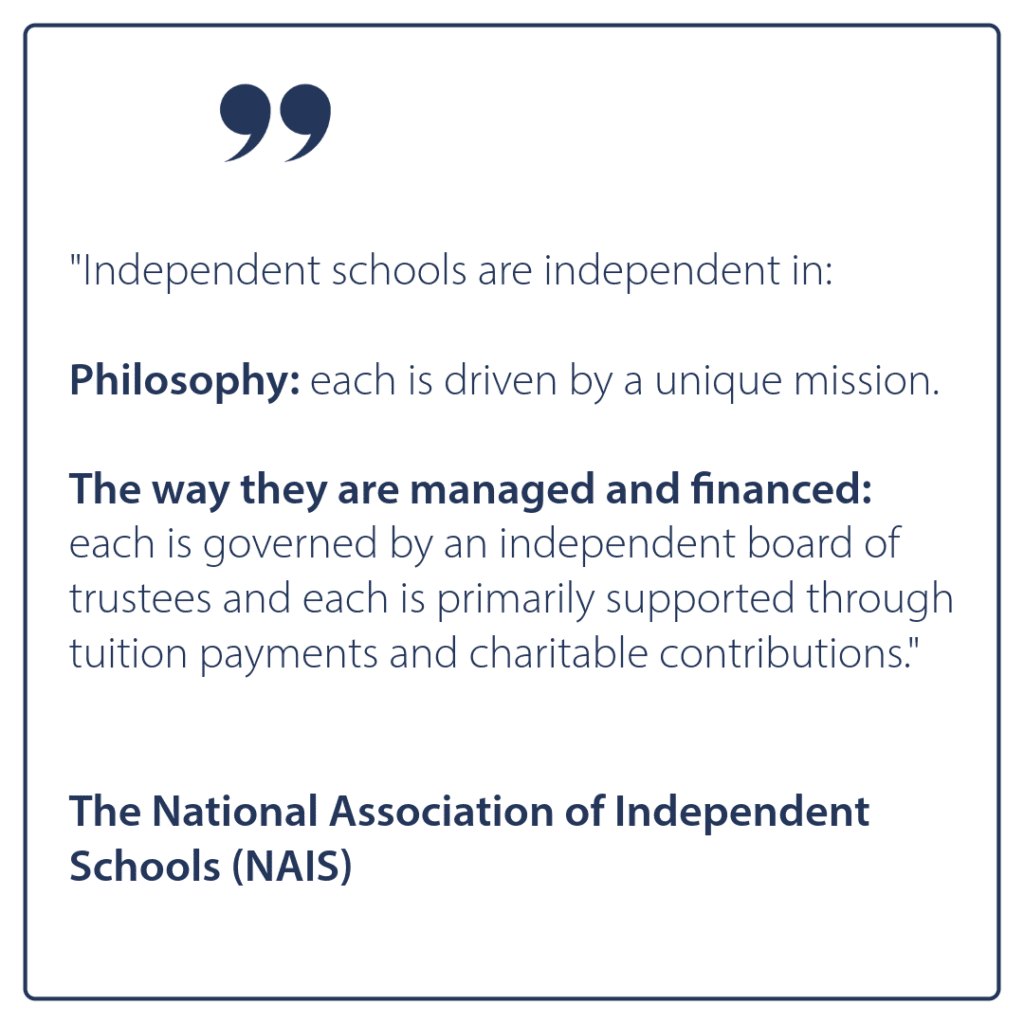
The National Association of Independent Schools (NAIS) says, “Independent schools are independent in:
Philosophy: each is driven by a unique mission.
The way they are managed and financed: each is governed by an independent board of trustees and each is primarily supported through tuition payments and charitable contributions.”
Academic Excellence and Individualized Learning
Central to the mission of most independent schools is a steadfast commitment to academic excellence and the pursuit of individualized learning. With smaller class sizes and often more favorable student-to-teacher ratios than public schools, independent schools can provide personalized attention and support to each student. This personalized approach enables
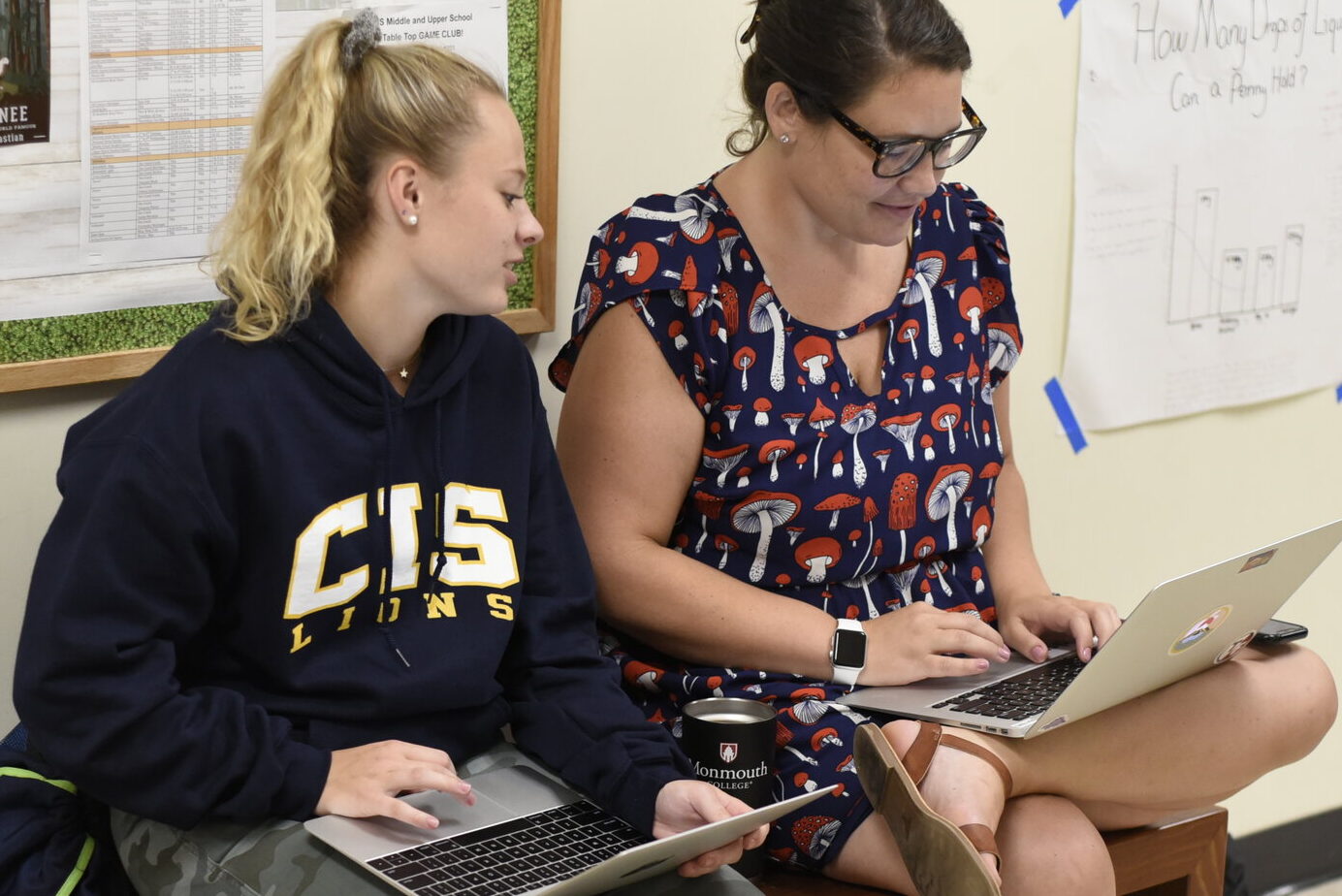
educators to cater to diverse learning styles and cultivate a deeper engagement with the curriculum.
Furthermore, independent schools frequently emphasize a holistic approach to education, nurturing not only intellectual growth but also the development of character, critical thinking skills, and a sense of social responsibility. This comprehensive education prepares students not only for academic success but also for life beyond the classroom, equipping them with the skills and values needed to become thoughtful, engaged citizens of the world.
Diverse and Inclusive Communities
While historically associated with exclusivity, many modern independent schools are actively working to create diverse and inclusive communities. By embracing diversity in all its forms—ethnicity, socio-economic background, religious affiliation, and more—independent schools enrich the educational experience for all students. Exposure to diverse perspectives and backgrounds fosters empathy, cultural understanding, and prepares students to thrive in an increasingly interconnected global society.
Moreover, the independence of these schools allows them the flexibility to implement initiatives that promote equity and
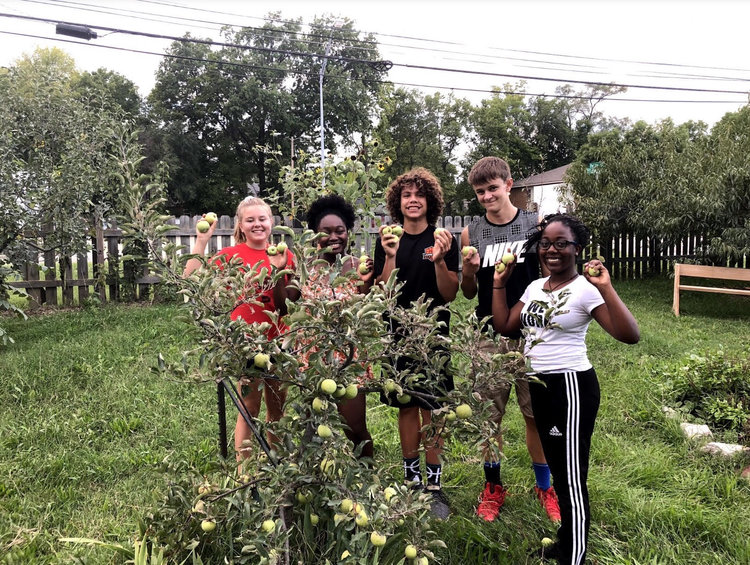
access to education. From financial aid programs to outreach efforts aimed at underrepresented communities, independent schools are striving to ensure that all students have the opportunity to benefit from a high-quality education.
Community Engagement and Lifelong Learning
Beyond their educational mission, independent schools often play a vital role in their communities. Through partnerships with local organizations, service-learning projects, and cultural enrichment programs, these schools actively engage with the broader community, fostering a sense of civic responsibility among their students
Furthermore, independent schools recognize that education is a lifelong journey. Alumni networks, continuing education programs, and mentorship opportunities are often integral parts of the school’s fabric, ensuring that graduates remain connected to their alma mater and continue to grow professionally and personally throughout their lives.

Celebrating Independence in Education
In essence, to be an independent school is to embrace the freedom to innovate, the commitment to excellence, and the responsibility to nurture the next generation of leaders and thinkers. It is about creating a supportive community where each student can thrive academically, socially, and emotionally.
As we continue to navigate an ever-changing educational landscape, the role of independent schools remains crucial in shaping the future and empowering individuals to make a positive impact on the world.
Ultimately, the essence of an independent school lies not only in its governance structure or financial independence but in its unwavering dedication to educational excellence, inclusivity, and the holistic development of every student who walks through its doors.
Columbia Independent School (CIS) is a member of the National Association of Independent Schools. You can see the CIS mission, commitment to diversity and philosophical principles on our website. If you’d like to pursue enrollment, it’s not too late! For more information, contact Kari Stockwell at admissions@cislions.org or (573) 777-9257.